Just how to Pick the Perfect Necklace Light to Enhance Your Inside Style
Choosing the excellent pendant light requires mindful consideration of different components. The style should straighten with the overall decor, while size plays an important role in making certain appropriate proportion. Shade and coating alternatives can enhance visual allure. Additionally, assessing light outcome is essential for functionality - Pendant Light. Comprehending these aspects can change a space, producing a welcoming atmosphere. Yet, the process entails greater than just visual appeal; there are functionalities that must additionally be dealt with
Recognizing Different Pendant Light Styles
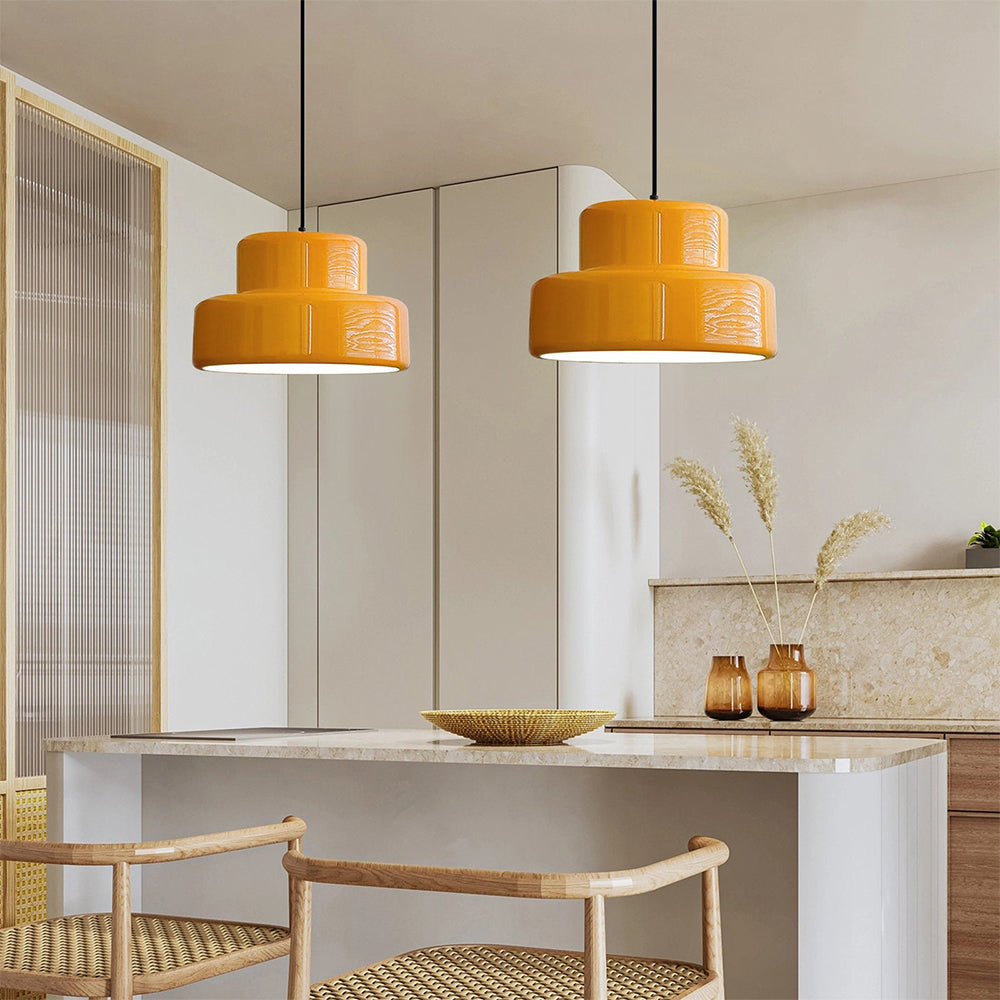
Necklace lights are available in a variety of designs, each offering unique visual and useful benefits. From commercial styles that include exposed light bulbs and steel finishes to sophisticated glass fixtures that evoke a sense of class, the alternatives are large. Contemporary necklace lights commonly emphasize minimalist forms and clean lines, while vintage-inspired designs might include intricate describing and cozy tones.
For those seeking a rustic charm, components made from natural products like timber or rattan offer a comfy feeling. Additionally, multi-light pendants can act as declaration pieces, integrating numerous bulbs in a single layout for significant impact.
Each design adds in a different way to an area, influencing the general setting and personality. Understanding these diverse pendant light designs enables home owners and developers to make enlightened selections that align with their interior design vision, improving both performance and aesthetic allure in their environments.
Identifying the Right Size for Your Space
When selecting a pendant light, properly measuring the ceiling elevation is vital for attaining the appropriate equilibrium in an area. In addition, computing the range of the fixture in regard to the surrounding room warranties that the light matches instead of overwhelms the design. These factors play an essential function in creating an unified indoor atmosphere.
Step Ceiling Elevation
To accomplish an aesthetically pleasing layout, determining ceiling elevation is important for picking the proper dimension of pendant light. The elevation of the ceiling directly affects the scale and proportion of the lighting fixture. In rooms with common eight-foot ceilings, pendant lights ought to generally spend time 30 to 36 inches above the surface area below, such as a table or kitchen island. For greater ceilings, adjustments need to be made accordingly, as a higher setup can create a more remarkable result. When establishing the perfect height, it is crucial to mirror on the total space dimensions and design. Accurate measurements help ensure that the necklace light not just complements the room's style however additionally provides appropriate lighting without frustrating the area.
Compute Component Range
Picking the best dimension for a lights fixture is crucial for developing harmony in an area's design. To determine fixture range, one need to consider the measurements of the area. A typical standard includes adding the room's length and width in feet, which provides a perfect diameter in inches for a pendant light. For instance, a room measuring 10 feet by 12 feet suggests a fixture size of around 22 inches. In addition, the elevation of the ceiling plays a vital role; taller ceilings may accommodate bigger components. Ensuring the necklace hangs at a proper elevation-- normally 30 to 36 inches above surface areas-- more improves functionality and aesthetic appeal. Properly scaled components can transform a space, making it really feel inviting and well-coordinated.
Considering Color and End Up Alternatives
When choosing a pendant light, the interaction of color and coating can substantially affect the overall aesthetic of a space. Coordinating the light's shade combination with existing decoration ensures a harmonious layout, while the selection of surface material can enhance structure and design. Thoughtful consideration of these aspects is important for achieving a natural look in indoor style.
Shade Combination Coordination
Shade palette sychronisation plays a vital role in accomplishing an unified interior decoration, particularly when picking pendant lights. Choosing a pendant light that enhances the existing shade plan improves the total aesthetic. For example, a light with cozy tones can create a cozy environment in a room loaded with natural shades, while cooler shades might harmonize effectively with a contemporary, minimal palette. It is crucial to consider the dominant colors in the area, making sure that the necklace light either blends seamlessly or provides a striking comparison. Additionally, integrating accent colors from the palette can link the layout with each other, creating a cohesive appearance. Eventually, thoughtful color sychronisation boosts the aesthetic impact of the pendant light within the interior decoration system.
Finish Material Considerations
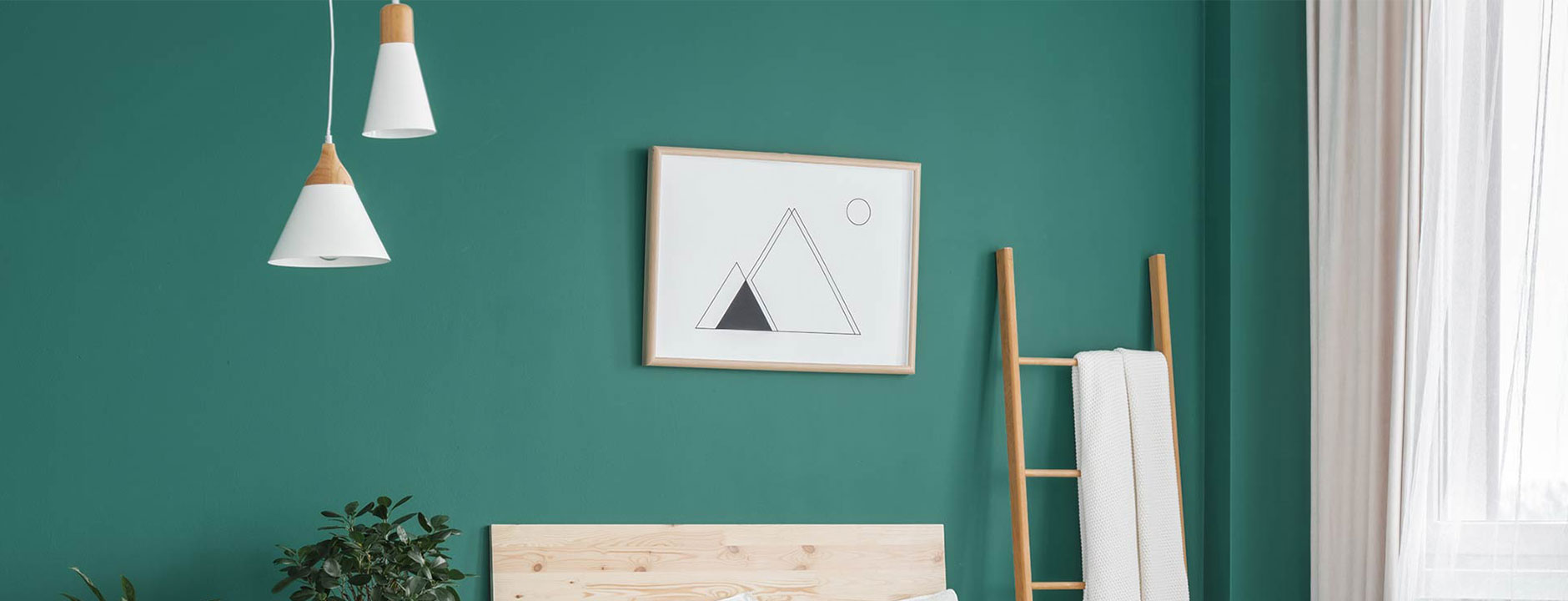
The choice of coating materials for pendant lights considerably affects the total style aesthetic of a room. Various surfaces, such as matte, glossy, or distinctive, can create differing aesthetic impacts. A refined metal finish may stimulate a modern, commercial ambience, while a matte or combed coating can lend a softer, extra natural feel. Color alternatives, varying from classic blacks and whites to vivid hues, also play a necessary role in harmonizing with existing decor. In addition, materials such as glass, timber, or ceramic can enhance the necklace's character and complement surrounding aspects. Ultimately, selecting the best surface product ensures the necklace light not only brightens but also boosts the room's design story.
Analyzing Light Outcome and Capability
Light result and capability are essential elements in picking the excellent necklace light for any kind of area. Evaluating the illumination of a pendant light includes understanding lumens, which gauge the overall light emitted. A greater lumen count usually shows a brighter look at this now light, crucial for jobs such as analysis or cooking. Additionally, the shade temperature level, measured in Kelvin, influences the setting; warmer tones develop a comfy atmosphere, while cooler tones advertise alertness.
Functionality expands past brightness to consist of the component's design and positioning. Adjustable necklaces can give flexible lighting for different activities, while fixed choices include a statement to the decoration. In addition, considering the height at which the pendant will certainly hang is critical, as it affects both light circulation and safety. Eventually, a well-assessed light result and functionality will assure that the selected necklace light satisfies both aesthetic and sensible demands in the designated room.
Matching Necklace Lighting With Your Interior Design Theme
How can one assure that pendant lights boost the total interior style style of a space? The vital copyright on picking fixtures that resonate with the established visual. For example, in a minimalist setup, smooth and simple layouts in neutral shades can develop a cohesive look. Conversely, a vintage-themed room may take advantage of ornate pendant lights, featuring elaborate layouts or cozy tones that stimulate nostalgia.
Additionally, thinking about the material and surface of the pendant light is crucial. Steels like brass or copper can add a touch of sophistication to a contemporary space, while timber elements might enhance rustic interiors.
Shade harmony also plays a considerable duty; picking tones that line up with the area's combination guarantees that the lights really feels integrated instead of out of location. Inevitably, Learn More Here the best pendant lights ought to not just illuminate yet also function as a stylistic expansion of the overall style, enhancing the setting and personality of the room.
Installation and Positioning Tips for Optimum Effect

In bigger spaces, consider utilizing larger pendants or clusters to stop them from feeling shed in the room. For an open-concept design, lining up the pendants with various other design components, like kitchen counters or furnishings lines, promotes cohesion. In addition, dimmer buttons can improve flexibility, permitting flexible ambiance. Eventually, thoughtful setup and positioning of necklace lights can transform the aesthetic appeals and performance of any interior decoration.
Often Asked Questions
What Are the very best Materials for Necklace Lighting?
The best products for pendant lights include glass for style, metal for longevity, and material for heat. Each material supplies one-of-a-kind looks, allowing designers to develop functional illumination options that enhance different indoor styles and environments.
Just how Do I Keep and Clean Pendant Lighting?
Maintaining and cleaning up pendant lights entails regular dusting, making use of a damp fabric for surface areas, and employing gentle cleansers for glass components. Routine look for loose fittings ensure safety and extend the life expectancy of the components.

Can Necklace Lighting Be Dimmable?
The question of whether pendant lights can be dimmable is pertinent for several. Various models provide dimmable functions, enabling individuals to change brightness, improving ambiance and functionality. Compatibility with dimmer switches is vital for peak efficiency.
What Is the Life Expectancy of Normal Necklace Light Bulbs?
The life expectancy of common pendant light bulbs varies considerably. Incandescent bulbs last about 1,000 hours, while portable fluorescent lights (CFLs) can last 7,000 to 15,000 hours. LED light bulbs use the longest lifespan, rising to 25,000 hours or more.
Are Necklace Lights Suitable for Outdoor Use?
Necklace lights can be appropriate for outdoor usage, however they should be specifically designed for such settings. Weather-resistant products and proper installment are important to ensure longevity these details and safety and security versus elements like dampness and wind.
Shade combination sychronisation plays a crucial function in accomplishing a harmonious indoor design, specifically when selecting pendant lights. The choice of finish products for pendant lights significantly affects the total style aesthetic of an area. Light output and performance are fundamental variables in choosing the ideal necklace light for any area. Assessing the illumination of a pendant light includes understanding lumens, which gauge the total light produced (Pendant Light). Just how can one ensure that necklace lights improve the overall indoor style style of a room?